Product Details
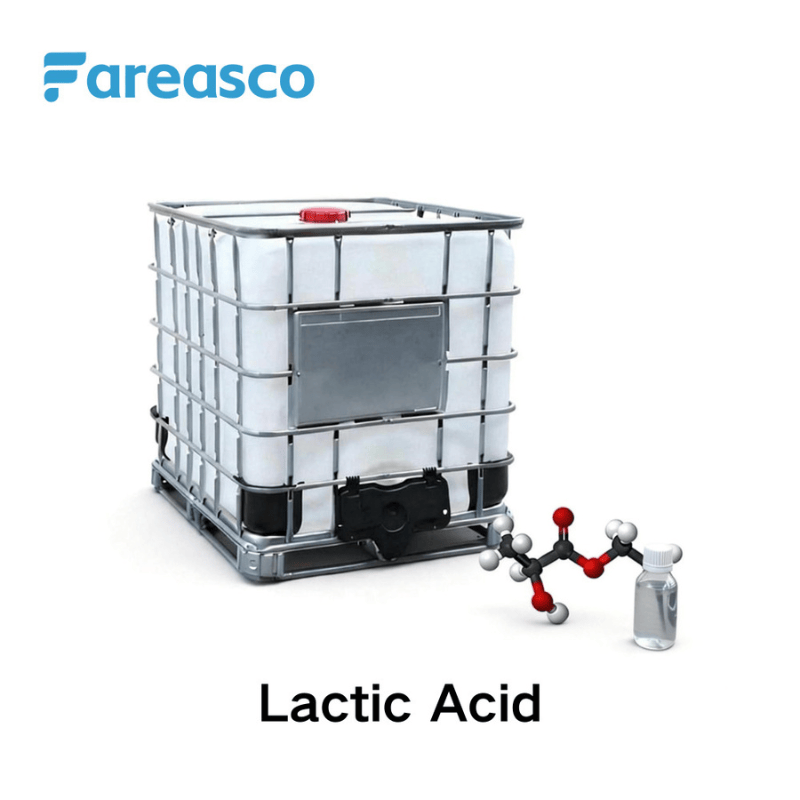
Lactic acid
- CAS No.: 50-21-5
- EINECS No. : 200-018-0
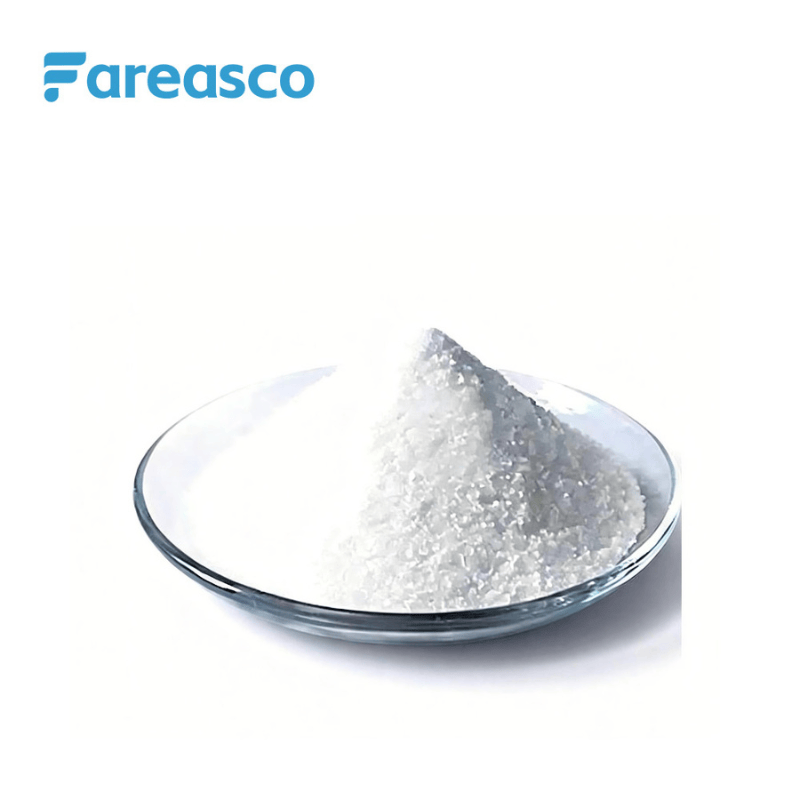
- Appearance : Colorless to yellowish syrupy liquid with slight odor
- MF (Molecular Formula) : C₃H₆O₃
- Purity : 80% / 85% / 88% / 90%
- HS Code:291811
Lactic Acid (also known as 2-hydroxypropanoic acid or milk acid) is an organic carboxylic acid with the molecular formula C₃H₆O₃. It is a colorless to yellowish, odorless or slightly sweet-smelling, syrupy liquid that is highly soluble in water and ethanol. The molecule contains a chiral carbon, existing as two optical isomers: L(+)-lactic acid and D(-)-lactic acid.
Lactic acid was first discovered in sour milk by Carl Wilhelm Scheele in 1780. It is a natural metabolite produced by certain bacteria (Lactobacillus, Bifidobacterium) during fermentation, as well as in animal muscles during intense exercise (anaerobic respiration). Industrially, it is produced by bacterial fermentation of carbohydrates (corn, sugar beet, cassava) or by chemical synthesis.
Main Applications:
Food & Beverage Industry: Used as an acidulant, preservative, and pH regulator in beverages, candies, baked goods, dairy products (yogurt, cheese), pickles, and meat products. It inhibits spoilage bacteria, improves flavor, and acts as a dough conditioner. L-lactic acid is used to adjust acidity in infant formula.
Pharmaceuticals & Oral Care: Formulated into mouthwashes, oral sprays, and toothpaste for antimicrobial effects, plaque reduction, and dry mouth relief. Used as an active ingredient or excipient in topical preparations (e.g., lotions for acne and ichthyosis), oral formulations (calcium source in calcium supplements), and injectable solutions (pH adjustment). Polylactic acid (PLA) is used for absorbable sutures, bone screws, and drug delivery systems.
Cosmetics & Personal Care: Widely used as an alpha-hydroxy acid (AHA) in anti-aging, exfoliating, moisturizing, and whitening skincare products to promote skin cell renewal. Also functions as a pH adjuster and humectant in creams, lotions, shampoos, and conditioners.
Industrial & Eco-friendly Materials: Polylactic Acid (PLA) is a biodegradable plastic produced from lactic acid, used for disposable tableware, food packaging, plastic bags, textile fibers, and 3D printing filament. It is a key eco-friendly alternative to conventional petroleum-based plastics. Lactic acid is also used as a solvent, electronic cleaning agent, and leather tanning aid.
Agriculture & Animal Feed: Used as an acidifier in livestock feed and silage to lower intestinal pH, inhibit pathogenic bacteria (e.g., Salmonella, E. coli), improve nutrient absorption, and increase feed conversion efficiency. It also serves as a plant growth regulator.
Product Classification
-Food Grade Lactic Acid
-Refined Lactic Acid
-Heat Resistant Lactic Acid
-Polymeric Lactic Acid
-Feed Grade Lactic Acid
-Sodium Lactate
-Calcium Lactate
-Lactic Acid Powder
Specification
Testing Item | Standard |
Appearance | Colorless to yellowish liquid |
Assay (as C₃H₆O₃) | 80%–90% |
Color (APHA) | ≤ 50 |
Chloride (Cl⁻) | ≤ 0.002% |
Sulfate (SO₄²⁻) | ≤ 0.002% |
Iron (Fe) | ≤ 10 ppm |
Heavy Metals (Pb) | ≤ 10 ppm |
Loss on Drying | ≤ 1% |
Storage : Store in tightly closed containers in a cool, dry, and well-ventilated area, away from sunlight and heat sources.
Packaging : 25kg plastic drums, 250kg drums, or 1200kg IBC tanks. Customized packaging available upon request.
Shelf Life : 24 months