Product Details
Acid Preparation
- improve digestion
- prevent diarrhea
- inhibit mold
- provide synergistic effects."
main Applications of compound acidifiers in feed:
Lowering feed pH and improving digestion
Mechanism: Acidifiers reduce the pH in the gastrointestinal tract, activating pepsinogen and improving protein digestibility and absorption.
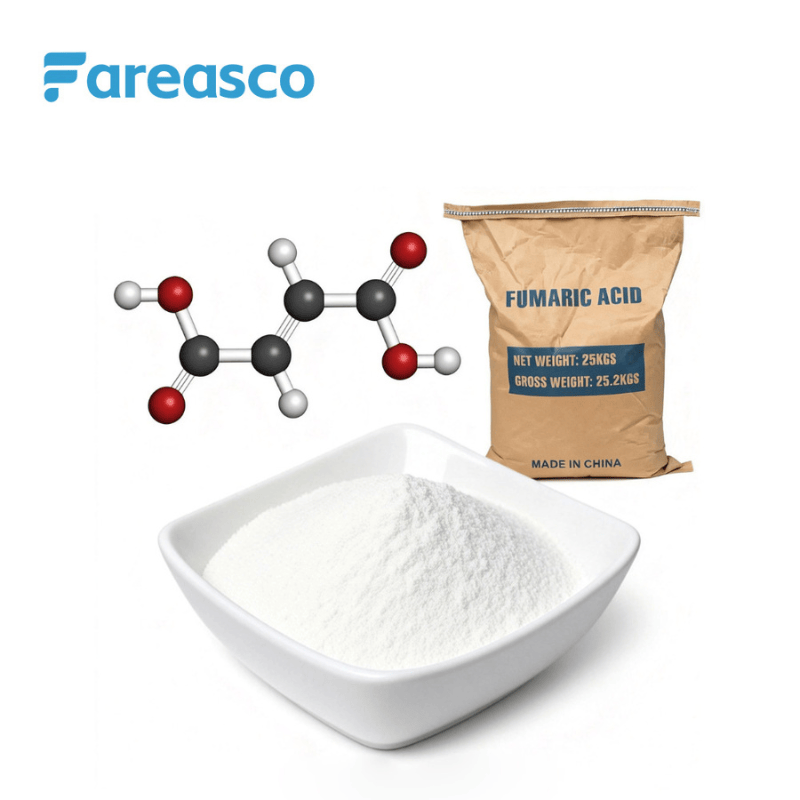
Key acids: Phosphoric acid, Citric acid, Lactic acid, Fumaric acid.
Inhibiting harmful microorganisms and maintaining gut health
Mechanism: Undissociated organic acids penetrate bacterial cell walls and dissociate inside the cells, disrupting their metabolism. This inhibits the growth of pathogens such as E. coli and Salmonella, helping to prevent diarrhea.
Key acids: Formic acid, Benzoic acid, Propionic acid, Fumaric acid, Citric acid.
Mold prevention and preservation, extending feed shelf life
Mechanism: Inhibiting the growth of molds (e.g., Aspergillus), yeasts, and bacteria during feed storage and transportation, preventing spoilage.
Key acids: Formic acid, Propionic acid, Acetic acid, Benzoic acid.
Buffering and synergistic effects, enhancing overall performance
Fast-acting acids (e.g., Phosphoric acid, Formic acid) provide an immediate pH drop.
Buffering acids (e.g., Citric acid, Lactic acid) maintain a prolonged acidic environment.
Synergistic combinations achieve 1+1>2 effects, resulting in broad-spectrum antimicrobial activity, stable pH control, and reduced irritation.
Mechanism: Compound formulations overcome the limitations of single acids:
Example combinations: Benzoic acid + Citric acid; Formic acid + Propionic acid + Acetic acid.
Acidifier effectiveness depends on specific feed conditions. Our company provides tailored formulation services to precisely match each customer's unique requirements.